Visiting Chianti Classico wineries: your complete guide
There are wine regions in the world with more famous names, and there are wine regions with higher prices. But very few combine the quality, the landscape, and the accessibility of the Chianti Classico zone. The territory stretches across the hills between Florence and Siena — roughly 72,000 hectares of land, of which about 7,200 are planted with Chianti Classico vines. It is one of the oldest and most carefully defined wine appellations in Europe.
For anyone staying in the Val d’Elsa near Barberino Val d’Elsa, this wine country is not a distant destination requiring a dedicated road trip. The Chianti Classico zone begins at the edge of the valley. The nearest top-quality estates are 15 to 20 minutes by car. That proximity changes the nature of wine tourism: instead of one long winery day, you can visit a different estate every afternoon and still be back for dinner.
Chianti Classico: how to visit
The most common mistake in Chianti Classico wine tourism is arriving without a plan. The finest estates require advance booking — sometimes weeks in advance during the summer and autumn harvest season. Walk-in visits are possible, particularly at smaller producers and outside the high season, but they are not guaranteed.
A practical approach: contact two or three estates in advance for a morning or late afternoon tasting, and leave the middle of the day free for lunch and spontaneous exploration. If you drive through the Chianti countryside and see a sign for a cantina that looks welcoming, stop. Not every good wine experience in this zone is pre-arranged.
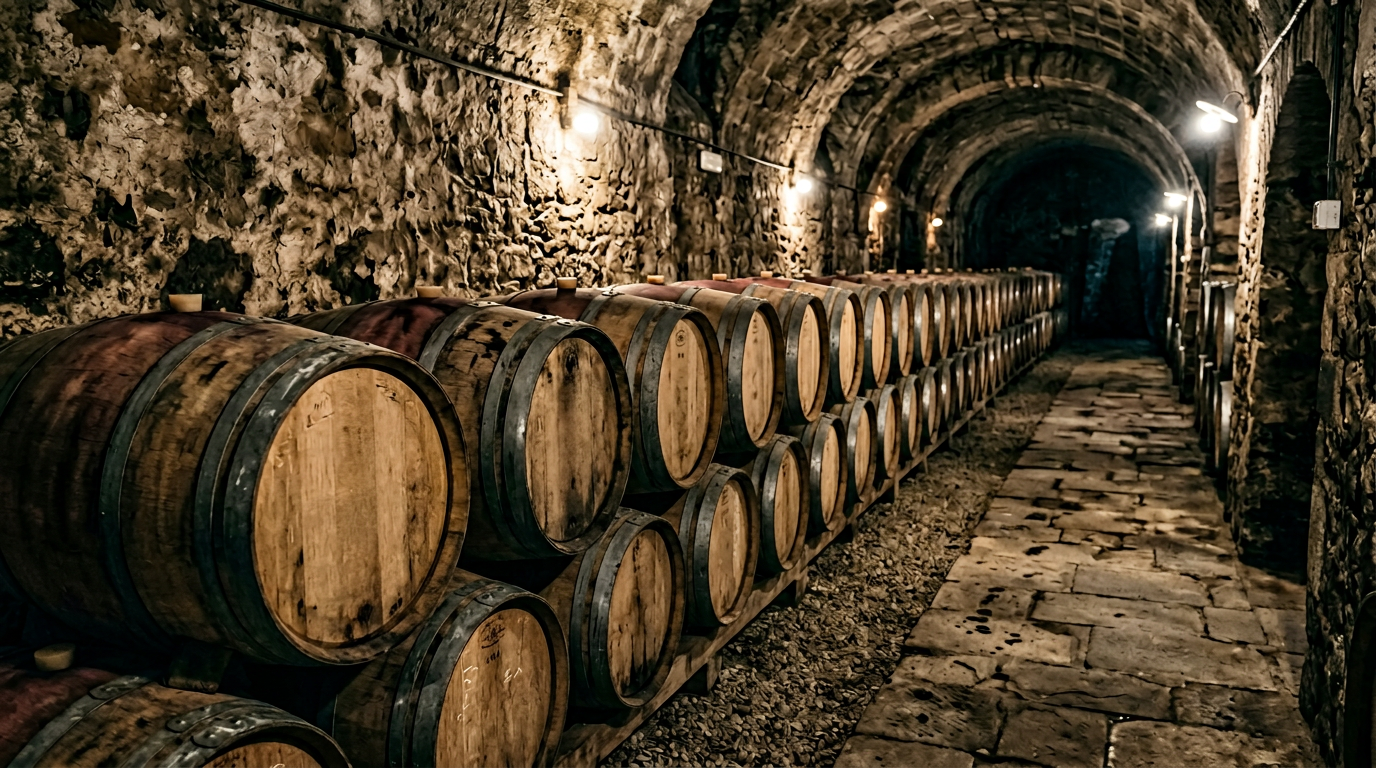
The structure of a winery visit typically includes a tour of the cellar, an explanation of the estate’s history and production philosophy, and a tasting of three to five wines. This takes between 60 and 90 minutes. Add travel time and a proper meal and you have a well-occupied six to seven hours.
Tasting fees across the zone range from around 15 euros at smaller estates to 40 euros or more at larger operations with purpose-built reception facilities. At most places the fee is waived or credited toward purchase if you buy wines. Smaller family producers are often more flexible — a simple tasting at a kitchen table may cost nothing.
Wineries not to miss
With over 500 producers in the Chianti Classico zone, narrowing down a shortlist is genuinely difficult. These estates are among the most interesting and visitor-accessible within about 30 minutes of Barberino Val d’Elsa.
Castello di Ama, near Gaiole in Chianti, produces wines of consistent excellence and is one of the most unusual winery experiences in the zone. The estate also functions as an open-air contemporary art museum, with significant works by international artists installed throughout the buildings and grounds. A guided tour takes in both the wine and the art. Visits are by appointment and cost around 30 euros per person.
Fontodi, in Panzano in Chianti, is one of the reference points for quality Chianti Classico. The estate has pursued biodynamic farming for many years and produces a Gran Selezione that ranks among the finest expressions of Sangiovese anywhere. Visits are by appointment and cost between 25 and 35 euros.
Isole e Olena, located between Barberino Val d’Elsa and Tavarnelle, is one of the closest significant estates to Sogno d’Oro. The wines are elegant and age exceptionally well. The estate is best known for restraint and precision rather than power. Visits by appointment.
Badia a Coltibuono, near Gaiole, is one of the historic estates in the Chianti Classico zone. The property occupies a former Benedictine abbey dating to the 11th century. The wines have a classical character shaped by long aging and respect for tradition. A good restaurant on site makes it a natural stop for lunch or dinner.
In the villages around San Donato in Poggio, close to Barberino, several family estates offer a more informal experience. The wines are typically good value, the hosts speak about their work with genuine passion, and the scale is personal in a way that large estates can rarely match.
How to taste Chianti
A tasting of Chianti Classico is different from tasting a light or aromatic white wine. Sangiovese — the primary grape in Chianti Classico, required to make up at least 80 percent of the blend — is a variety of high acidity, firm tannins, and concentrated dark fruit. Tasting it without food or without giving it time in the glass can make it seem harsh. With a little patience and context, the same wine reveals considerable complexity.
The proper sequence for tasting a range of Chianti Classico wines moves from youngest and lightest to oldest and most structured. Annata wines (the base vintage level) come first, Riserva second, Gran Selezione last. Reversing this order makes the lighter wines taste thin after the more powerful ones.
When you receive a glass, hold it at an angle against a white background to observe the colour. Chianti Classico is a medium ruby red when young, shifting toward garnet and brick at the edges with age. Swirl the glass gently to release the aromas — you are looking for cherry, dried herbs, tobacco, leather, and earth. Then taste.
The most useful conversation to have with a producer is about the vintage. Recent standout years in Chianti Classico include 2015, 2016, 2019, and 2020. Each had different climatic conditions producing different styles. Understanding this will help you decide what to buy and how long to keep it.
The denominations and wines
The Chianti Classico DOCG system has three distinct quality levels, each with its own requirements and general style profile.
Chianti Classico Annata is the entry-level denomination. It requires a minimum of 12 months of total aging before release. In character, Annata wines are intended to be approachable relatively young — food-friendly, expressive, and not overly structured. Prices typically range from 15 to 30 euros per bottle at the estate.
Chianti Classico Riserva requires at least 24 months of aging and a higher minimum alcohol content. The extra time in cellar and barrel builds more complexity and structure. Riserva wines generally benefit from a few additional years in the bottle after purchase. Prices range from about 20 to 50 euros.
Chianti Classico Gran Selezione was introduced in 2014 as the top tier of the denomination. It requires a minimum of 30 months of aging and must come from either a single vineyard or a specifically selected portion of the harvest. It represents the estate’s best expression and is priced accordingly — from around 30 euros to well over 100 for the most celebrated producers.
All Chianti Classico must contain at least 80 percent Sangiovese. The remaining 20 percent may be made up of other approved varieties: traditional grapes such as Canaiolo and Colorino, or international varieties including Merlot and Cabernet Sauvignon. The approach varies significantly between producers, and understanding a particular estate’s blend philosophy is part of what makes tasting there rewarding.
The Gallo Nero, the black rooster symbol of the Chianti Classico Consortium, appears on the neck label of every certified bottle. The rooster has been associated with the Chianti Classico territory since the medieval period, when it featured in a story about how the boundaries of the territory were originally drawn.
How to plan a day among the wineries
A one-day winery itinerary starting from Barberino Val d’Elsa might work as follows.
Arrive at your first estate at 10:00 for a guided cellar tour and tasting. This is the structured part of the day. Choose an estate you have booked in advance and know produces wines you want to understand properly.
By midday, drive to Panzano in Chianti for lunch. The village is small but has earned a reputation above its size thanks to the butcher Dario Cecchini, whose Solociccia restaurant serves an excellent fixed-price meat menu for around 30 euros. Reservations are essential.
In the afternoon, explore the countryside south toward Radda in Chianti or east toward Gaiole. Stop at a smaller estate for an informal tasting — these afternoon stops often produce the most memorable encounters of the day. A producer sitting with you in their kitchen, opening a bottle from a drawer and explaining why the 2019 was so good, is a different kind of education.
The return drive to Barberino along the SR222 or through the back roads via San Donato in Poggio takes 20 to 30 minutes. In every season, the late afternoon light on the vineyards and stone farmhouses along this road is exceptional.
Where to stay
Sogno d’Oro is located near Barberino Val d’Elsa, at the western edge of the Chianti Classico zone. The estate landscapes you see from the guesthouse are part of the same wine country you visit when you spend a day among the wineries. The distinction between accommodation and destination dissolves somewhat here — the wine zone is the landscape you wake up to.
Several of the finest Chianti Classico estates are your nearest neighbours. You do not need to plan a long drive. The quality is close at hand.